Table of Contents
Staffing

Agency directors are understandably proud of, and grateful for, their staff and volunteers and universally describe them as flexible, compassionate and resourceful. During 2020, those traits became especially crucial for agencies to be able to adapt to growing and changing human needs in their counties.
“Our staff members have a heart to help people,” says Louis D. Piszker, CEO of Wayne Metropolitan Community Action Agency (Wayne Metro), where the number of people requesting assistance had risen 50% by early May 2020. “They are going beyond what would normally be asked of them so we can make sure people are getting what they need.”
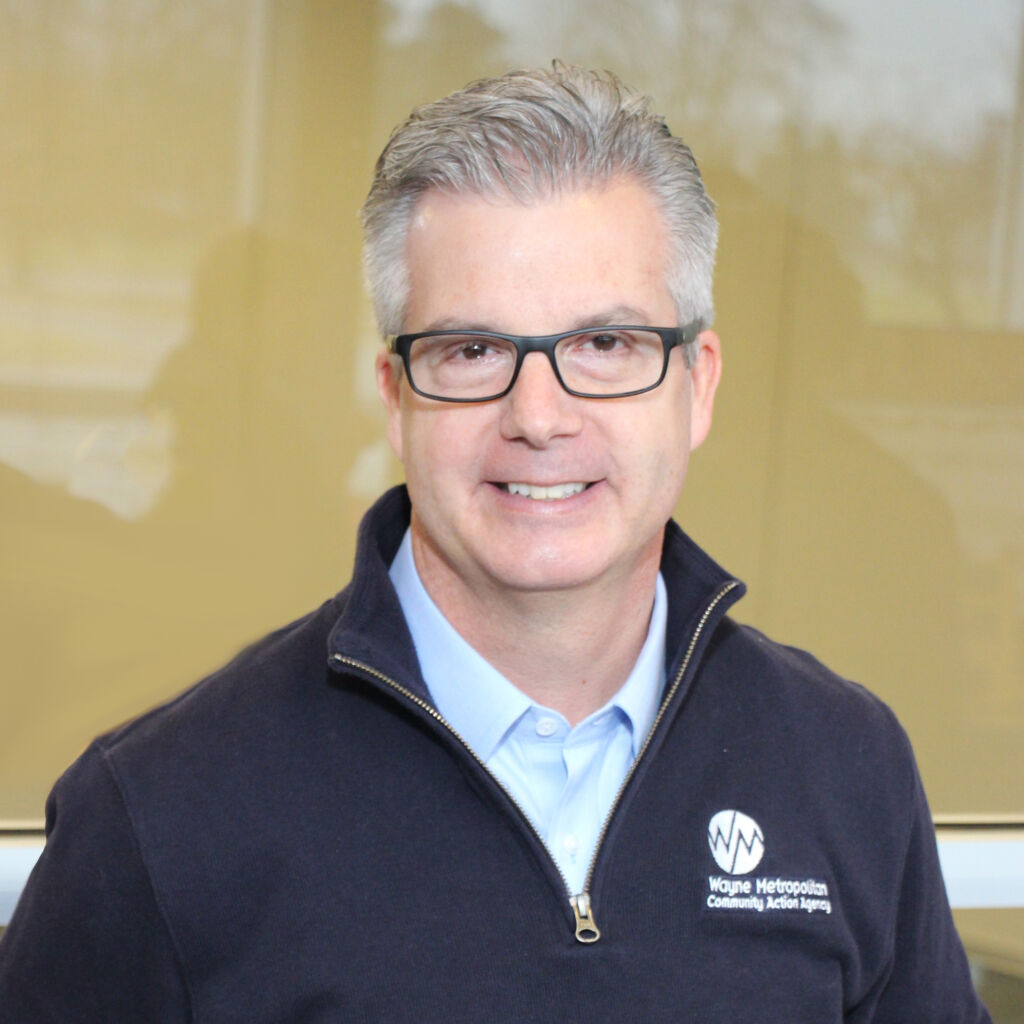
Louis D. Piszker, CEO of Wayne Metropolitan Community Action Agency
With many residents seeking assistance for the first time, calls took longer, but a hiring freeze meant new staff could not be hired to help manage the burgeoning intake. Staff who were used to meeting face-to-face with clients had to adjust to the barriers of working by phone, at home, sometimes with limited technology, and many had to balance the needs of young children at home with them.
At work, their offices were set up to be efficient and specialized, and it was impossible to duplicate that environment at home.
Ernest Cawvey, Macomb Community Action, says through no fault of their own, the agency lost synergy and productivity. Staff couldn’t simply walk a few steps from their office to get the information they needed from a co-worker. Yet some of the challenges of COVID provided practices that they will continue.
Going Virtual
“We’ve streamlined to manage appointments online and virtually, and submitting documents by phone became a wonderful solution,” Ernest Cawvey explains. “No matter what, we will retool our intake to be more user friendly, and a phone camera is one way we can do that. Many clients have phones, and for those who don’t, we will continue in-person intake.”
Virtual meetings made the process more comfortable for some first-time clients who said they had been avoiding coming to MCA because they were afraid they would run into someone they knew.
Out of concern for the health of their volunteers, many of whom are older and at high risk if they got COVID, Macomb Community Action, closed down volunteer opportunities.
In pre-COVID times, Oakland Livingston Human Service Agency had a “Welcome Center” approach to assisting clients. Working with each person one-on-one, they could create a relationship with them to determine all their needs and how the agency could help them move forward. Because of COVID, the Welcome Center became virtual. Halfway through summer, the volume of people who needed assistance surpassed the capacity of staff. By tweaking their technology, people could do more online to access help.
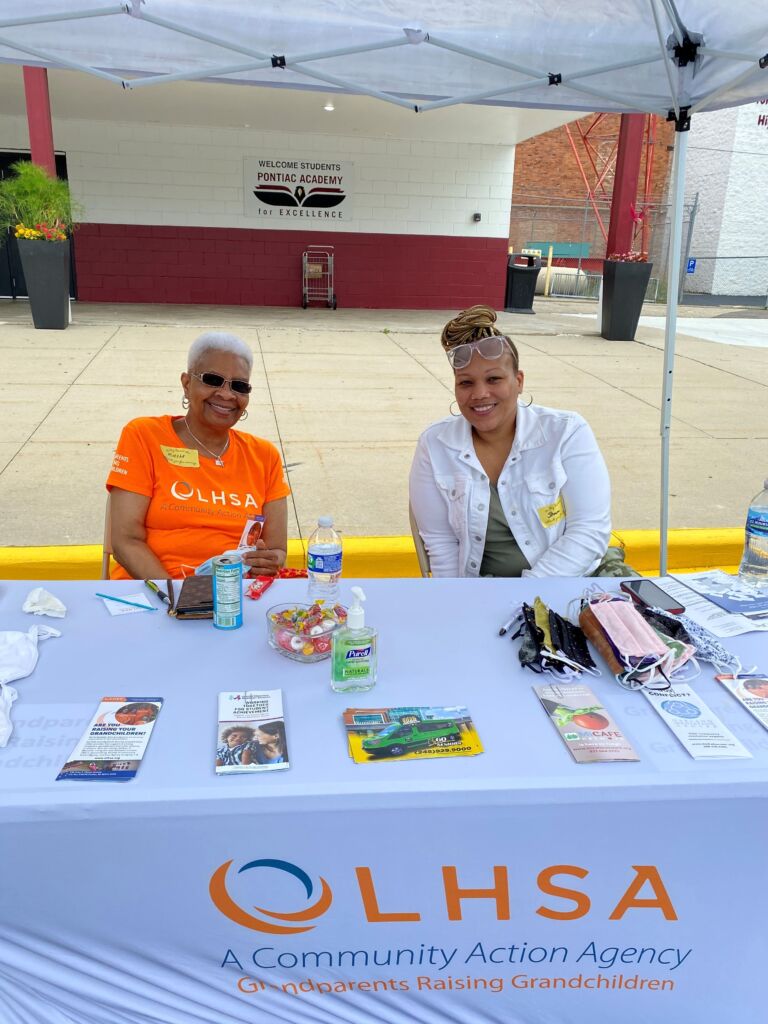
“That’s not our preference,” says director Susan Harding. “But it was necessary for us to manage the caseload. The tradeoff was that we could get people the help they needed.”
Lisa Bolen, of Northeast Michigan Community Service Agency, said she was fortunate to be able to hire the staff they needed and to offer a living wage that enables staff to “…pay their bills.”
Like organizations throughout the country, the agency lost most of its volunteers because they were in high risk groups.
“They jumped in and volunteered to do what needed to be done,” says Kim Smith Oldham, the agency’s director. She ran the migrant program because she felt the rest of the staff was handling everything they could, and working conditions were not ideal.
Most of the management team at Southwest Michigan Community Action Agency continued working in their offices through the pandemic, because they felt there was too much work to be done and it wasn’t feasible for them to work from home.
The staff of their School Success Partnership delivered food, did tutoring and partnered with schools to help bridge needs. In the first weeks of 2021, staff members were given permission to work at the mass vaccination events.
“So we changed the way we do business,” says Lisa Bolen. “Our staff has been amazing. They began to volunteer at our warehouse, pitching in and doing what they could. At one point, the question went out as to who had a sewing machine and could make masks. They looked beyond our own walls to see how they could help.”
Expanding and adjusting
“We were already working on top of each other,” says Kim Smith Oldham of the crowded conditions at their Southwest Michigan Community Action Agency offices in Benton Harbor. “Multiple people were sharing offices and others had desks in the hall. We needed to fix that, and the pandemic pushed us to do it sooner rather than later.”
Kim was able to acquire new office space on the same floor of the building that houses them, so staff could spread out. When the Department of Health and Human Services building closed and her staff there had to vacate their offices, Kim moved them into the new office space.
“We lost a lot of staff because of COVID-related issues,” says Michelle LaJoie, Community Action Alger Marquette. “When schools switched to remote learning, some staff had to be home with their children or be home if their care provider couldn’t work.”
Staff members working from home were given the flexibility to accommodate the needs of their families. For example, if a parent needed to help their child with remote learning for two hours in the morning, they clocked out and put in that time later in the day.
Michelle made sure someone was always in the office so people who came to the agency could talk to someone in person and be connected to the assistance they needed.
Mid Michigan Community Action took on more projects and more funding during the pandemic, then added Muskegon and Oceana Counties to its region, all of which required more staff. Executive director Jill Sutton says it was difficult to find people with the necessary skills, and many applicants expressed being more comfortable working from home than being hired into positions that required them to work directly with the public.
“Staff has been willing to wear whatever hats we need,” says Melinda Johnson, Blue Water Community Action. “For example, when we set up a shelter, many staff volunteered to go there and work. We shuttled staff all over to different jobs. That is the kind of people community action agency work appeals to. They like helping each other. That was very obvious during the pandemic, and we’re so grateful.”