
Table of Contents
Staffing for the future
After more than two years during which many worked from home, the field is split on those who enjoyed it and felt they were productive, those who do not prefer it and feel their productivity suffered. It is clear that flexibility of a non-traditional work week will come into play in the near future, and Michelle LaJoie, director of Community Action Alger Marquette, believes that offering staff continued flexibility to determine where they want their base of operation to be will help agencies retain employees.

But in the short term, she sees definite downsides for communities where a large percentage of people work from home.
“When large office buildings are no longer needed because people are working from home, our restaurants will suffer because they will have fewer lunchtime clients, and buildings will lose office renters. That will impact our downtowns,” Michelle LaJoie explains. She also believes there will always be people who want to work in an office, “so we need to be sure we have a safe work environment for them.”
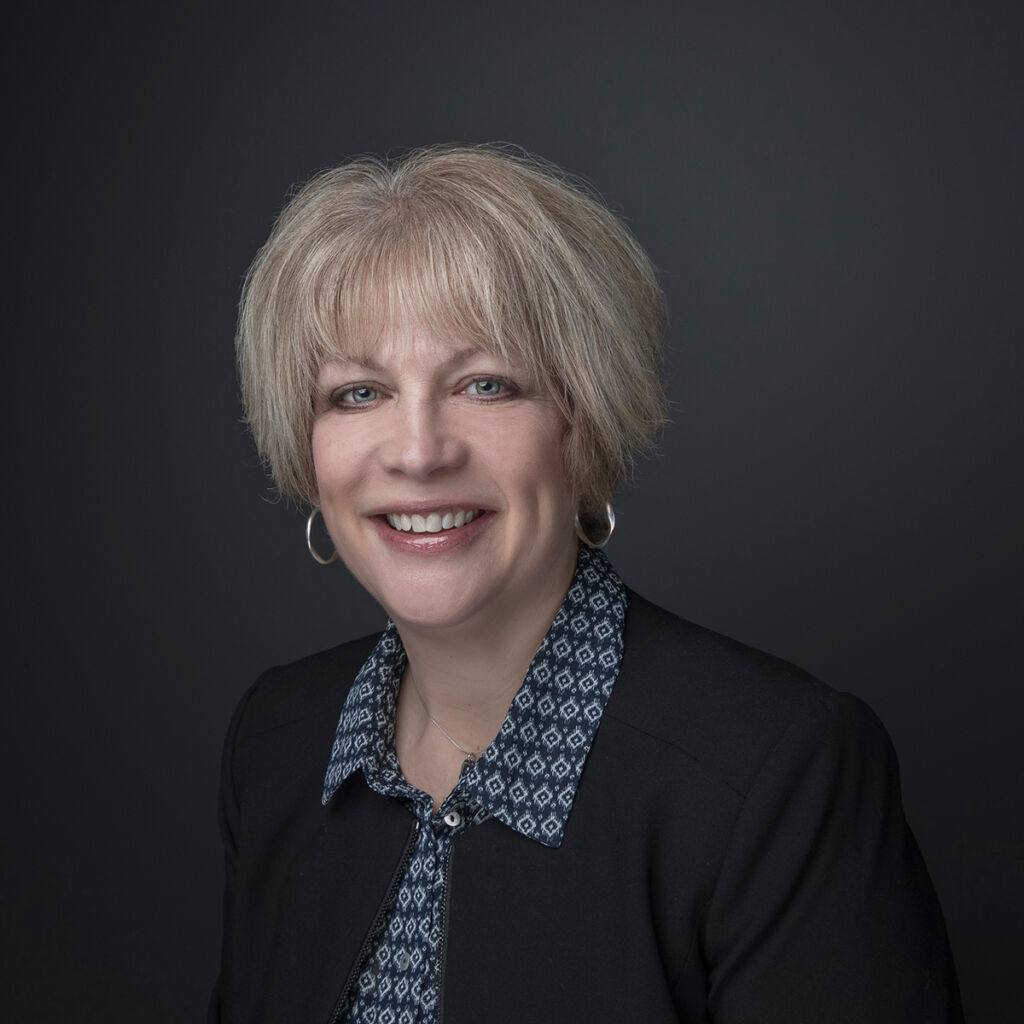
Kerry Baughman, Northwest Michigan Community Action Agency
Kerry Baughman, Northwest Michigan Community Action Agency, believes there is likely a hybrid model that can be created by determining what can be best done in an office setting and what can be done efficiently from home.
“For the past five years, we have needed more office space,” she says, “but now I think we will not need to invest in more real estate in order to function efficiently. Our arrangements with staff will depend, in part, on the nature of decisions being made. We have been gathering input from our staff, asking them what they need, what helps them do their job, and we will continue to do that so they help inform our decisions.”
“We know comprehensive services are what lift people out of poverty,” says Susan Harding, director of Oakland Livingston Human Service Agency, whose Welcome Center approach works well for helping identify needs a client may have beyond what they inquired about. “And every division added people to the Welcome Center so we could get people the services they needed.”
“Across the board, we provided more training and technology with our case managers so they could offer more help,” she explains. “For example, our Head Start staff members are trained to understand all the services we have available. One result is that our team members are more interconnected and are reaching out to each other. Now, when a client has a request for something such as food, the staff person does a full assessment. They ask what else is going on in the client’s life and how can we help. We’re doing more prompting, too, such as asking if they are having issues with utility bills. It’s a model for us going forward. This is how we have to do it so we can focus on the people we are serving.”
Susan Harding adds, “We continued working on our strategic plan even in the midst of the pandemic. We needed to not lose sight of our long-term focus.”
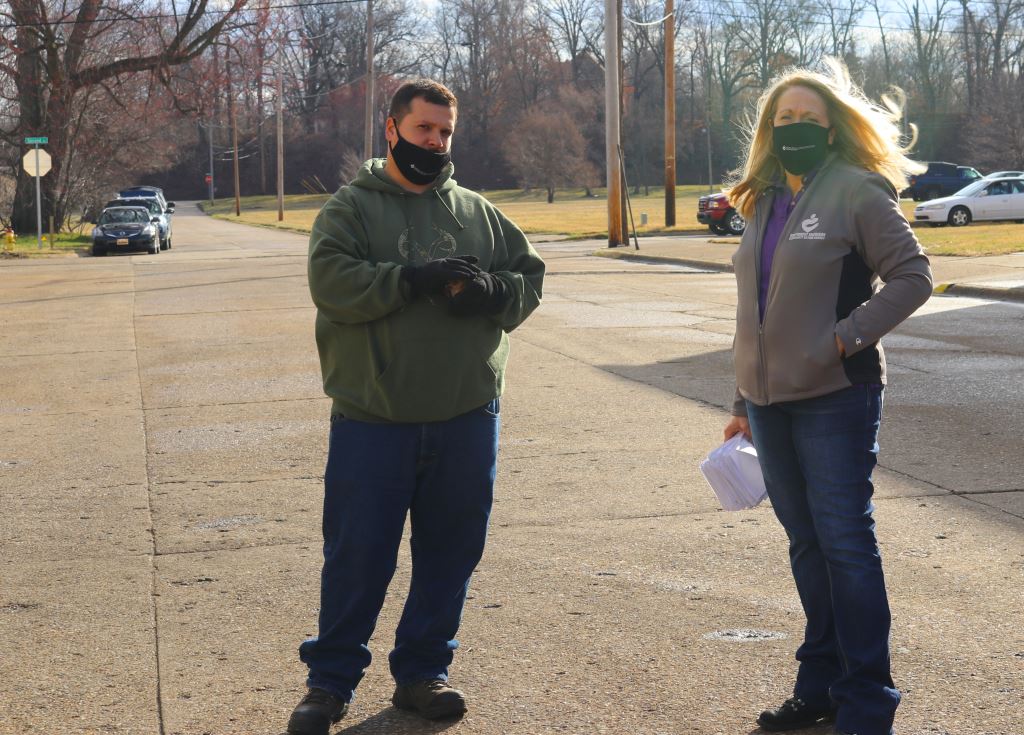
Remote Work & Mental Health
As with many directors, Lisa Bolen, Northeast Michigan Community Service Agency, is concerned with staff longevity and the high levels of stress experienced by staff members who have been managing large client caseloads.
“They see and hear about a lot of problems,” says Lisa, “and it has an impact on them. Our staff adapted very well to working remotely, but it’s tricky with new employees. The opportunity to get to know co-workers, and the relationships normally forged in the early months of a job, didn’t happen easily. We have increased our communication with staff to help them feel in the know. We’re wrapping our arms around them, and supporting them emotionally.”
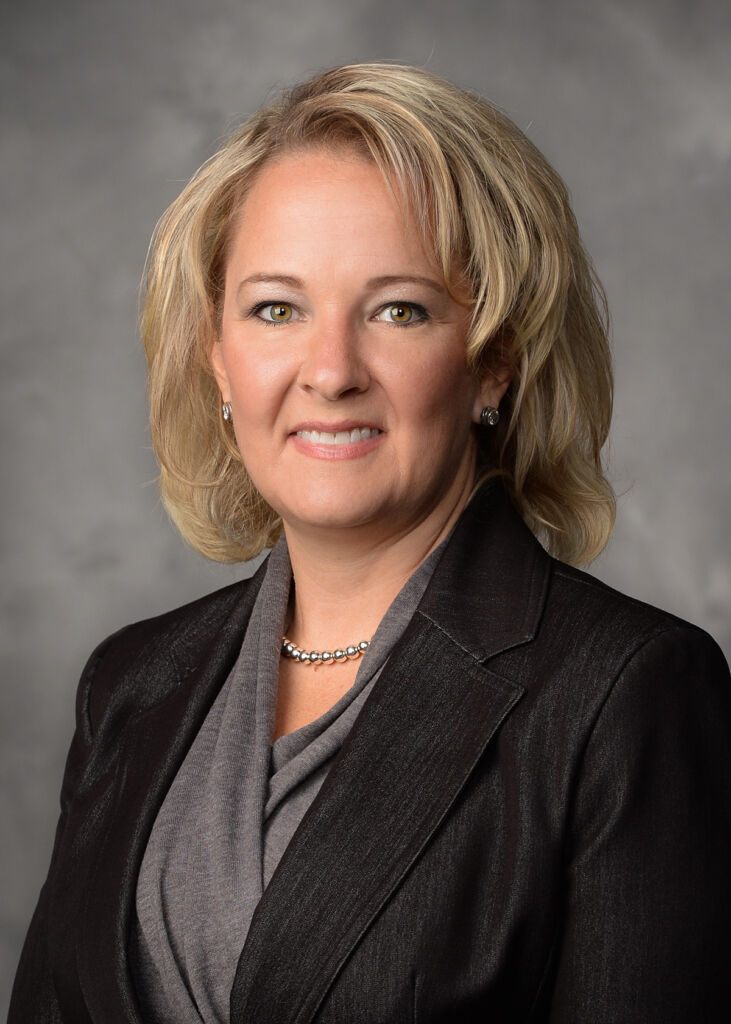
Lisa Bolen, Northeast Michigan Community Service Agency
Increasing the Impact
Blue Water Community Action staff members have been taking steps to expand case management to make sure they are looking at all the needs of individuals and families asking for assistance.
“Because we had funds for a variety of issues, we asked clients what else they needed, and we offered examples of how we can help,’ says director Melanie Johnson. “We have the opportunity to move beyond our staff silos, and we’re doing a lot of communication, referring clients to other departments and to other organizations so we can more fully assist them.”
“We’ve seen a lot of cross-collaboration,” she adds. “Our work was more difficult because so much of it was done remotely, yet the staff did the best ever because we had money to help people. Staff felt they could actually have an impact. Sometimes in this field, we either don’t see the impact or we feel like we’re putting a Band-Aid on problems. In this case, we were able to return families to wholeness, to put their lives back together. I challenge my staff to have a life-long impact on one family a year. We have had a lot of successes. We made big differences in people’s lives. And we still are.”