
Table of Contents
Looking Ahead and Transitioning
“We have received more thank you letters than ever in the past year, partly because we’re serving more seniors right now, and they take the time to write a thank you note. We also get texts and e-mails. There is a lot of gratitude.”
Melinda Johnson, Blue Water Community Action
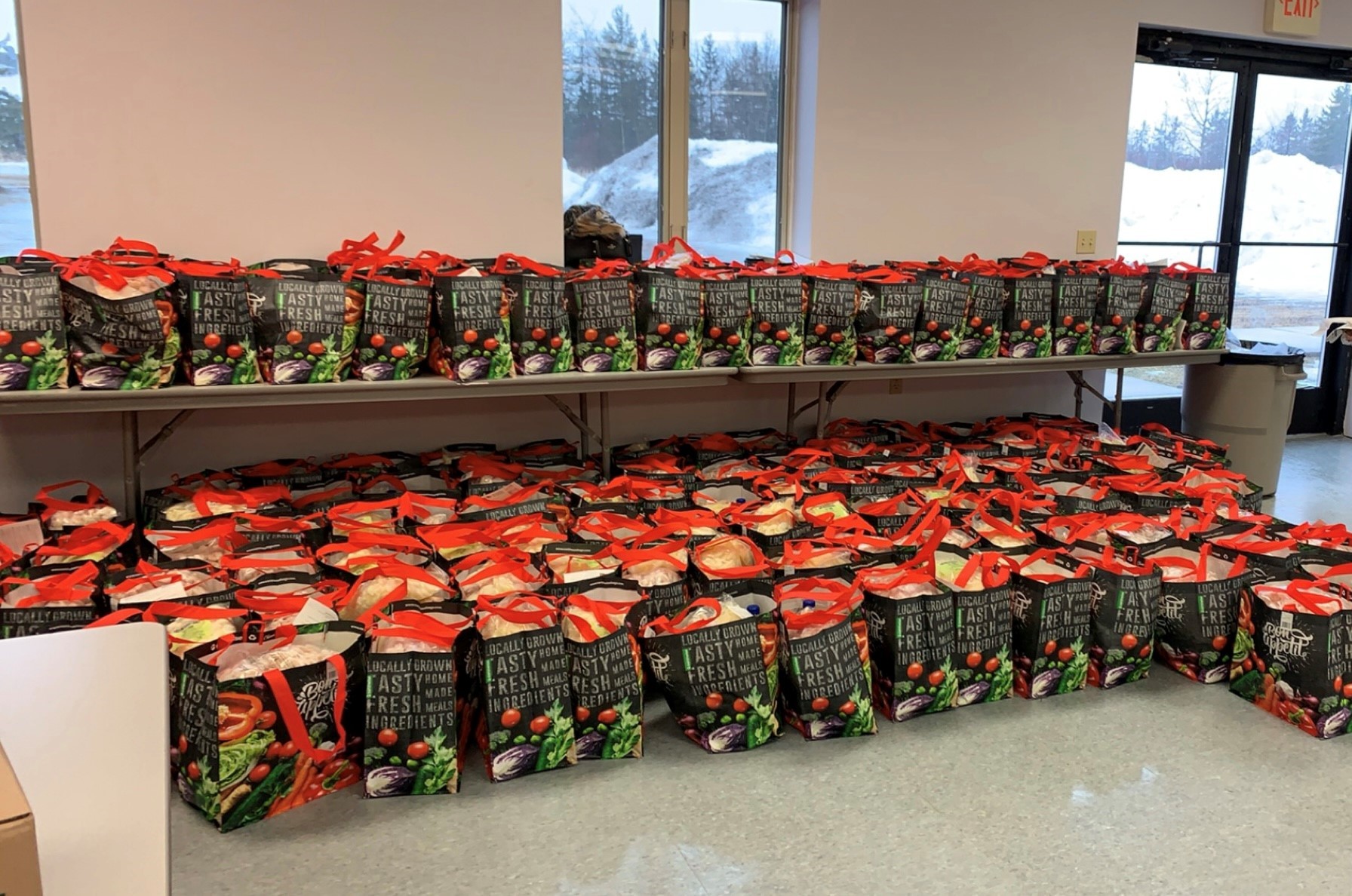
Given the financial devastation caused by the pandemic and the unprecedented orders put in place to help stop the spread of the virus, it is no surprise that as of June 2021, most of Michigan’s community action agencies were still providing pandemic-related emergency assistance to individuals and families. Some agency directors, seeing deep and lingering impacts of the pandemic on residents in their counties, believe it will be years before they transition fully back to their original mission.
Just as the virus hit communities in the Lower Peninsula several months before it reached communities above the Mackinac Bridge, directors believe we will likely see economic stabilization begin in the Upper Peninsula four to six months later than downstate.
The health and wellness safety net
According to Centers for Medicaid and Medicare Services (CMS), more than 80 million individuals now have health care coverage through Medicaid and the Children’s Health Insurance Program (CHIP.) It is a record, reached after nearly 9.9 million individuals enrolled in coverage between February 2020 and January 2021. More than 38.3 million children are enrolled in Medicaid and CHIP combined.
In Michigan, at the beginning of 2020, approximately 650,000 individuals were enrolled in Medicaid. By the middle of 2020, with COVID rolling through the state, another 100,000 people had enrolled.
These numbers highlight the essential role of the Medicaid and CHIP programs in providing high quality, much-needed coverage for millions of vulnerable children and adults. Together, the programs serve as the largest single source of health coverage in the country.
“Medicaid and CHIP serve as a much-needed lifeline for millions of people throughout this country. The increase we are seeing is exactly how Medicaid works: the program steps in to support people and their families when times are tough,” says CMS administrator Chiquita Brooks-LaSure, who calls the coverage life-changing for parents who may have lost a job or experienced other big changes during the pandemic.
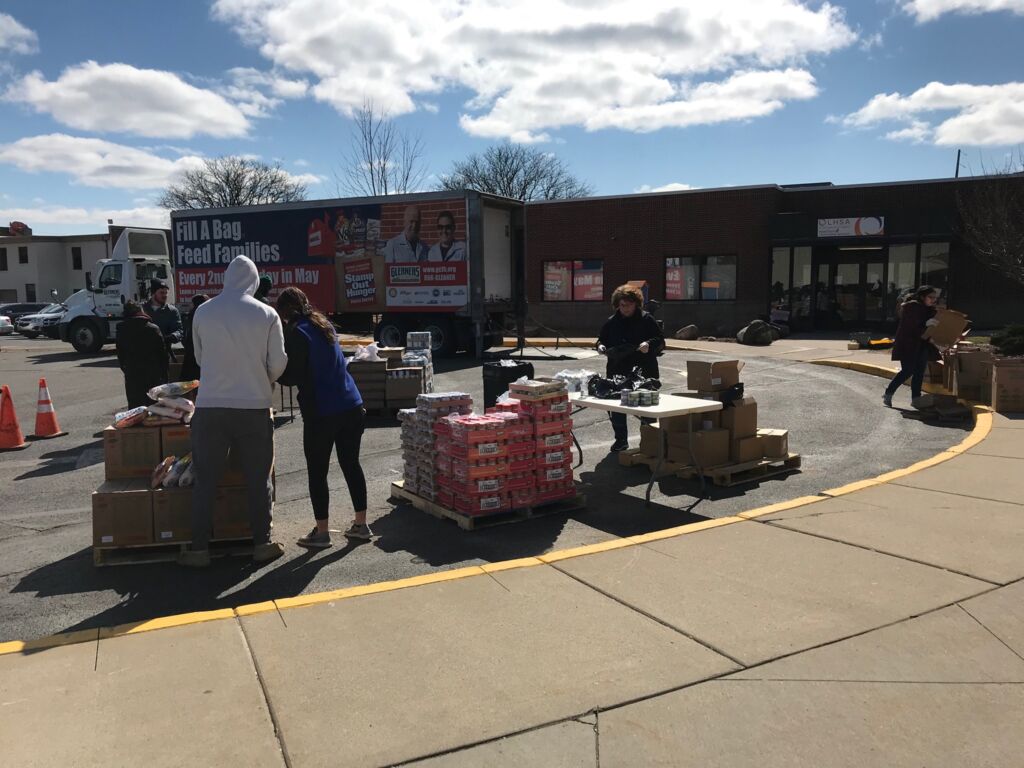
“We have worked very well at responding to people in crisis,” says Ernest Cawvey, director of Macomb Community Action. “Our goal should be to do so well at upstream prevention that our work is done. The next frontier is to invest in preventing downstream needs, and health care and health equity are two of the biggest factors. Healthcare organizations are getting better at screening people and referring them to us. Now we need to spend money to get people healthier so they have less need for our services. If you can avoid chronic disease, there is an economic benefit, and we can help keep people healthy by investing in social care.”
“We’ve learned a lot of good health practices as a result of the pandemic,’ says Melinda Johnson, Blue Water Community Action. “Because of things such as washing our hands frequently and not shaking hands, we were healthier. Normally, we had sixteen children in a Head Start classroom, but we reduced that to eight children a day. If a child got sick, they were removed to a sick room that we created. We also had staff totally suited up in personal protection equipment (PPE) to care for the child, and usually a parent or guardian picked up the child within twenty minutes. That practice was very successful in keeping everyone else healthy.”
“The old habit of coming to work even when sick is done,” Melinda adds. “We have a strict policy now: If you’re sick, don’t come to work.”